
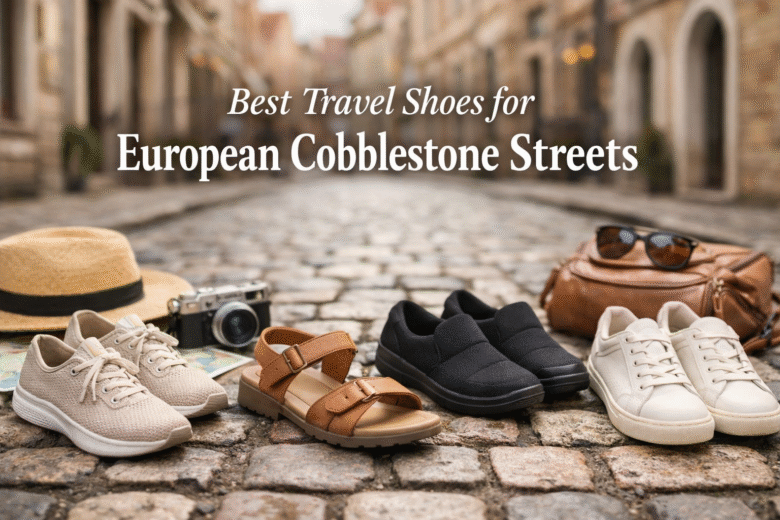
Walking on European cobblestone streets can be tough on your feet if you don’t have the right shoes. The best travel shoes for these streets combine sturdy soles with good arch support and a stylish look. They need to handle uneven surfaces without making you uncomfortable.
Many travelers make the mistake of picking shoes that look good but lack comfort, leading to sore feet and a less enjoyable trip. Shoes designed specifically for walking on cobblestones offer both cushioning and grip, so people can explore cities with ease.
Finding shoes that blend comfort and style is key for travelers who want to look good while walking long distances. This guide will help readers choose the right footwear to enjoy European streets without pain or hassle.
Why the Right Shoes Matter on European Cobblestone Streets
Walking on cobblestone streets requires shoes that balance comfort and durability. Proper footwear helps prevent injuries and ensures a more enjoyable travel experience on these uneven, often slippery surfaces.
Challenges of Walking on Cobblestones
Cobblestone streets are uneven and irregular, which makes walking difficult. The gaps between stones can catch toes or heels, causing trips or twisted ankles.
Surface textures vary; some stones are smooth and slippery when wet, while others are jagged and rough. This makes grip and stability a priority for anyone walking long distances.
Heavy traffic and narrow cobblestone streets also limit options for movement. Shoes need to be sturdy but flexible enough to handle constant shifts in balance on this tough terrain.
Injury Prevention and Foot Support
The risk of ankle sprains or foot pain rises without proper support on cobblestones. Shoes with strong arch support reduce strain caused by uneven pressure on feet.
Shock-absorbing soles can protect feet from the hard impact of walking on stone. Comfortable shoes with good padding help prevent blisters and soreness.
Wearing footwear with a firm grip lowers the chance of slipping, especially during rain. Proper fit is essential to avoid unnecessary muscle fatigue and joint issues.
Impact on Travel Experience
Uncomfortable shoes or poor footing can make exploring European cities unpleasant. Pain and tired feet may cut sightseeing trips short.
The right shoes allow travelers to walk longer without discomfort and enjoy local sights freely. This enhances both daily mobility and overall trip satisfaction.
By choosing footwear designed for cobblestone streets, travelers avoid distractions caused by foot pain and focus more on their experience.
Key Features of the Best Travel Shoes for Cobblestone Streets
Comfort and safety are the top concerns when choosing shoes for cobblestone streets. Shoes need to protect the feet from uneven surfaces while also fitting well and looking good.
Traction and Slip Resistance
Good traction is essential on cobblestone streets, as the surface can be uneven and sometimes wet. Shoes with rubber soles and deep treads provide better grip. This helps prevent slips and falls when walking on rough terrain.
Slip-resistant soles work well on stones that may be smooth or mossy. Shoes designed for hiking or trail walking often have this feature. They are usually among the best shoes for walking on cobblestones.
Arch Support and Cushioning
Many people find cobblestone streets hard on their feet without proper support. Shoes with built-in arch support reduce foot fatigue and discomfort. Cushioning in the midsole absorbs shock from hard surfaces.
Orthotic-friendly designs allow people to add custom insoles if needed. This improves comfort for long days of walking. Shoes that combine support and cushioning are key for comfortable walking shoes in Europe.
Lightweight and Breathable Materials
Heavy shoes increase fatigue after hours of walking. Lightweight shoes make moving easier and more comfortable. Breathable fabrics like mesh help keep feet cool and dry.
Materials that dry quickly are useful if shoes get wet from rain or street cleaning. This prevents discomfort like blisters or chafing. Lightweight, breathable shoes also tend to pack smaller when traveling.
Style and Versatility
Style matters for many travelers who want shoes that look good on city streets and at restaurants. Versatile shoes can match casual and slightly dressier outfits while still being functional.
Simple, clean designs in neutral colors like black, brown, or grey go well with most outfits. Shoes that balance style with comfort allow travelers to switch easily from walking tours to evenings out without changing footwear. This makes them some of the most stylish walking shoes available.
Top Types of Shoes for Walking in Europe
Choosing the right shoe for walking on cobblestone streets means balancing comfort, support, and style. Shoes need good grip to prevent slipping and enough cushioning to protect feet from uneven surfaces.
Walking Shoes and Sneakers
Walking shoes and lightweight sneakers offer flexibility and comfort. They usually have cushioned soles that absorb shock from walking on hard cobblestones. A breathable upper keeps feet cool during long city tours.
Look for rubber soles with good tread to avoid slipping. Shoes made for walking in Europe often have reinforced toes to handle rough ground. They are usually lighter than hiking shoes, making them easier to carry and wear all day.
Supportive Hiking Shoes
Supportive hiking shoes provide extra ankle support and strong soles with deep treads. This makes them a good choice for travelers who plan to walk long distances or explore uneven terrain beyond city streets.
Many hiking shoes are designed with waterproof materials, which helps in wet weather. Though bulkier than sneakers, they protect feet from twisting or injury on cobblestones. Durable hiking shoes balance stability with comfort.
Sandals and Travel Flats
Sandals and travel flats work well in warm weather and for short city walks. Look for sandals with cushioned footbeds and adjustable straps to secure feet firmly.
Travel flats with padded soles and flexible materials can also be comfortable for cobblestone walking, especially if they have rubber soles for grip. However, they provide less ankle support than other options, so they suit lighter walking days.
Tips for Choosing and Packing Your Travel Shoes
Choosing the right shoes means focusing on fit, comfort, and durability. Packing smartly helps keep shoes in good shape and saves space. These points help travelers prepare for long walks on cobblestone streets without pain or damage to their footwear.
Finding the Perfect Fit
The fit is the most important factor when selecting travel shoes. Shoes should have about a half-inch of space between the longest toe and the end of the shoe to prevent discomfort. Width matters as much as length; the shoe should not pinch or rub any part of the foot.
Try shoes on in the afternoon or evening because feet swell throughout the day. Walk around indoors in the shoes to check for any tight spots or slipping heels. Socks similar to those planned for travel should be worn during fitting to ensure accuracy.
Heavier shoes may offer more support but can tire feet faster. A good balance between cushioning and firmness works best for cobblestone walking.
Breaking in New Shoes Before Your Trip
Breaking in shoes reduces the chance of blisters and sore feet. New shoes should be worn for short periods over multiple days before traveling. This helps the material soften and mold to the shape of the foot.
Start by wearing new shoes around the house or for easy errands. Gradually increase walking time to build comfort. Adding moisture-wicking socks during the break-in period can also help prevent friction.
If discomfort persists, consider using gel pads or inserts designed for extra cushioning. Avoid breaking in shoes the day before leaving, as feet may remain irritated.
Maintaining Comfort and Shoe Care While Traveling
Good shoe care keeps shoes durable and comfortable during long trips. Regularly inspect shoes for loose stitching, worn soles, or other damage. Fix small issues early to extend usability.
To keep shoes clean, use a soft brush or damp cloth after walks on dusty or wet cobblestones. Avoid soaking shoes in water, as this can damage materials. Shoe trees or stuffing shoes with paper can help retain shape during packing.
Packing shoes in separate bags prevents scuffs and keeps them organized. Bringing a small shoe care kit with polish, a brush, and deodorizer supports comfort on multi-day trips.
Also read about the best dresses for your trip: https://worldlyfusion.com/10-best-lightweight-travel-dressses-for-europe/

Comments
Pingback: 10 Best Lightweight Travel Dresses for Europe - Worldly Fusion