Traveling through European cities in summer can be tricky because the weather changes quickly. One minute it’s warm and sunny, the next it might rain or get chilly. Layering clothes allows a person to adjust easily and stay comfortable all day long.
The key to an European Summer Layering is to wear light, breathable pieces close to the skin and add or remove outer layers as needed. This way, they can handle sudden shifts in temperature without carrying heavy baggage or feeling too hot or cold.
Good layering also means choosing items that work well together and dry quickly. This helps travelers stay ready for whatever the weather brings while exploring each city comfortably.
Essential Principles for an European Summer Layering in Unpredictable Weather
Layering in European cities during summer requires careful planning. Travelers should focus on adaptable clothing that adjusts to sudden temperature changes and varied weather. Choosing the right pieces and knowing how to combine them makes packing easier and travel more comfortable.
Understanding European Summer Climate Variability
European summers vary greatly by region and can change quickly even within a day. Coastal cities like Barcelona often have warm mornings but cooler, windy evenings. Inland cities such as Paris can experience sudden rain showers and heat spikes.
Travelers should expect temperatures ranging from 15°C (59°F) in the early morning to 30°C (86°F) or more in the afternoon. Humidity levels can also shift, affecting comfort. Rain showers are common, so having waterproof layers is important.
Knowing the forecast can help but it’s wise to be ready for quick weather shifts. Flexible clothing allows travelers to stay comfortable and avoid overpacking.
Core Concepts of Smart Layering
Smart layering means combining different types of clothes to manage heat and cold easily. Layers include a moisture-wicking base, a middle insulating layer, and a lightweight outer shell.
Key points of layering:
- Base layer: Thin, breathable shirts or tanks that move sweat away from skin.
- Middle layer: Light sweaters or cardigans for warmth.
- Outer layer: Waterproof jackets or windbreakers for rain and wind protection.
Layers should be easy to add or remove. This method helps with indoor and outdoor temperature changes common in European summer spots.
Choosing Versatile Capsule Wardrobe Pieces
A capsule wardrobe reduces packing stress with versatile items that mix and match. Essential pieces include neutral t-shirts, lightweight trousers, and a compact rain jacket.
He or she should pick clothes made from quick-drying materials. Convertible pants and multi-use scarves add further flexibility.
Footwear is also important; comfortable walking shoes that handle wet weather work best. This approach fits a Europe packing list focused on space-saving and practicality. It ensures travelers are ready for unpredictable summer weather without carrying too much.
Best Fabrics and Clothing Types for Effective Layering
Choosing the right fabrics and clothes makes layering easier and more comfortable. Breathable materials, lightweight outerwear, and versatile pieces like linen and denim help adjust to changing temperatures. These choices keep the wearer dry, cool, and ready for unpredictable weather.
Prioritizing Breathable Fabrics for Comfort
Breathable fabrics allow air circulation, which helps control body temperature. Cotton, linen, and lightweight wool are good options. These fabrics absorb sweat and dry quickly, reducing discomfort on warmer days.
Synthetic fabrics like polyester and nylon often trap heat, so they are less ideal for summer layering. However, performance blends made for activewear can work if they wick moisture well.
When layering, it is best to use breathable materials close to the skin. This prevents overheating and irritation. Breathable fabrics keep clothes feeling fresh even after hours of wear.
The Role of Linen Dress and Linen Trousers
Linen is highly recommended for summer layering because it breathes and feels light. A linen dress offers good airflow and moves easily with the body. It works well as a standalone piece or under a jacket.
Linen trousers pair well with various tops and are cooler than denim or synthetic pants. Wide-leg linen pants provide ventilation and comfort in warm weather.
Both linen dress and linen trousers tend to wrinkle easily but can be styled casually or smartly. They handle sudden weather changes by keeping the wearer cool and dry.
Integrating Lightweight Outerwear like Denim Jacket
A denim jacket is a practical third layer to add during chilly mornings or evenings. It is sturdy but not heavy, making it ideal for unpredictable summer days in Europe.
Denim jackets maintain warmth without causing overheating and offer style versatility. They work over linen dresses or wide-leg pants and cotton shirts. Layers under the jacket should remain breathable for balance.
A simple denim jacket fits easily into a travel wardrobe. It protects against wind and light rain while being easy to take on or off when the temperature shifts.
Real-World Layering Strategies for Popular European Destinations
Dressing for European cities means balancing style, weather, and culture. Visitors often face sudden rain, warm afternoons, and cooler evenings. Knowing what to wear helps travelers stay comfortable and respectful while looking good.
Urban Style Solutions for City Sightseeing
In cities like Paris, Berlin, or Amsterdam, lightweight layers work best. A breathable cotton or linen shirt paired with a thin sweater or cardigan suits changing temperatures. A water-resistant jacket or a compact umbrella is essential for surprise rain.
Footwear should be comfortable but stylish. Think low-profile sneakers or loafers. These go well with European fashion, avoiding bulky or flashy shoes.
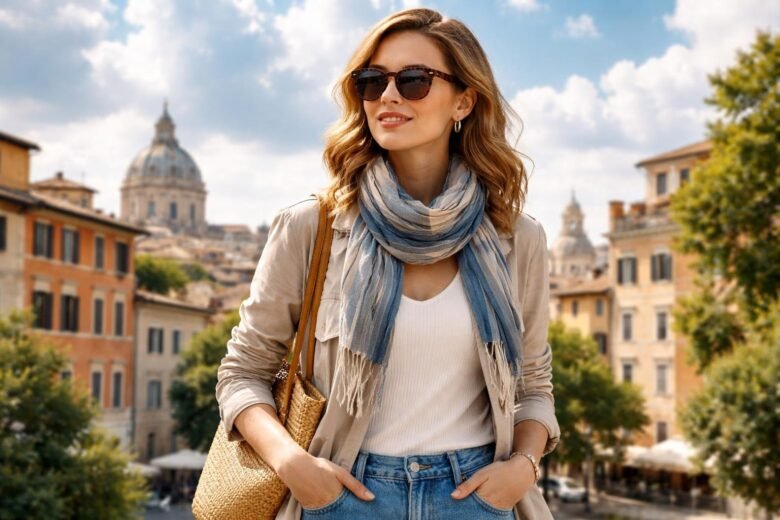
Accessories like scarves add warmth and a touch of style. They can also cover the neck or shoulders quickly if it gets colder. A medium-sized backpack can hold extra layers and city essentials.
Adapting to Coastal Getaways like the Amalfi Coast
Coastal areas like the Amalfi Coast bring both sun and sudden cool breezes. Travelers should start with a light, long-sleeve shirt or blouse and a sun hat.
A thin windbreaker or light cardigan is perfect for evenings or boat rides. Sandals are common here, but packing a closed shoe for rocky paths or towns is smart.
Since the Amalfi Coast often has intense sun, layering includes sunscreen as a “wearable” step. Sunglasses and a reusable water bottle also improve comfort.
Cultural Considerations and Modesty When Visiting Landmarks
When visiting churches or historic sites, modest clothing is important. Many places require covered shoulders and knees.
Layering allows visitors to add a shawl, scarf, or lightweight jacket over sleeveless tops or shorts. Breathable fabrics prevent discomfort during warmer days.
Some landmarks also ask visitors to remove hats indoors. It’s a good idea to bring easily removable layers that respect these rules while keeping warm if needed.
Understanding these small adjustments helps travelers blend in and avoid problems during their European trips.
Packing and Outfit Coordination for Seamless Travel
Travelers should focus on practical packing and smart outfit choices to handle Europe’s changeable summer weather. Coordination makes it easier to stay comfortable and stylish while reducing luggage weight.
Organizing Your Europe Packing List
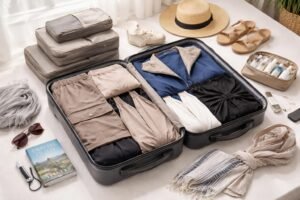
A well-planned packing list begins with versatile, lightweight clothing. Essential items include a few neutral-colored tops, a pair of durable pants, and shorts. Packing a compact waterproof jacket and a warm layer like a thin sweater is crucial.
Use packing cubes to separate clothes by type or outfit. This saves space and keeps items accessible. Don’t forget comfortable walking shoes and accessories like scarves or hats which can add warmth or block the sun.
Limit the number of shoes to two pairs to reduce bulk. Toiletries should be travel-sized and stored in clear bags. A small laundry kit or detergent packets help extend the freshness of clothes.
Mix-and-Match Techniques for Multiple Outfits
Choosing pieces that go well together creates more outfit options with fewer clothes. Neutral colors like black, white, navy, and beige combine easily. For example, one pair of pants can match with several tops.
Layering allows quick changes for temperature shifts. A lightweight cardigan or button-up shirt can be added or removed. Accessories, such as belts or jewelry, help change looks without adding weight.
Opt for fabrics that dry quickly and resist wrinkling. This helps travelers wash and reuse items during trips. Avoid clothing that requires special care to maintain.
Adapting to Weather Changes and Staying Stylish
Carrying a foldable umbrella or a rain poncho is practical for sudden rain. Packing a light scarf or shawl helps with cooler evenings or wind. These small additions keep comfort high without bulk.
Clothing styles should balance function and appearance. Choosing simple, clean-cut designs works well in cities and tourist areas. Sheer layering pieces provide warmth without overheating or looking bulky.
Keeping an outfit polished means checking the condition of clothes regularly. Wrinkle-resistant materials and quick fixes like travel-sized fabric spray help maintain crispness during busy days.
Check out this guide too https://worldlyfusion.com/from-day-to-night-5-outfits-style-transitions/