
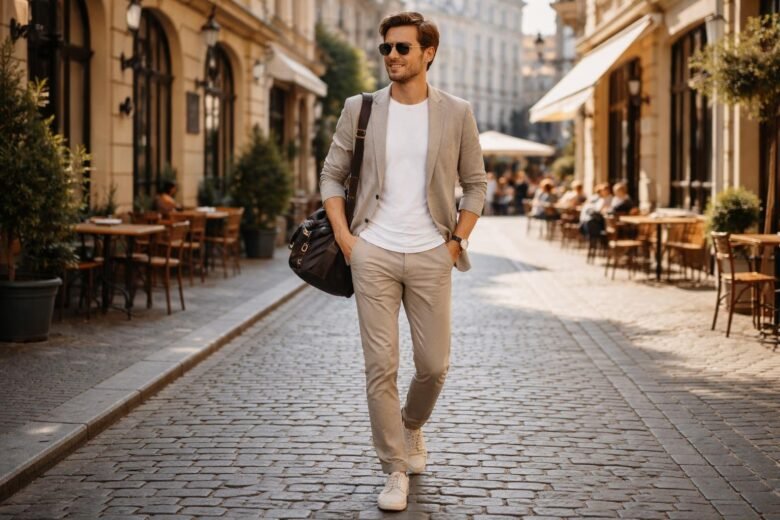
Travelers in Europe often want to dress smart while fitting in with locals. The key is choosing versatile, simple clothes that match the style of each country and can be mixed to create multiple outfits without overpacking.
Understanding local fashion trends helps avoid standing out as a tourist. Dressing smart means focusing on quality basics, neutral colors, and comfortable shoes that work for walking city streets.
Packing light is about selecting items that work for different occasions and weather. This way, travelers can move easily between places while looking polished and blending in naturally with the crowd.
Core Principles of European Style
Dressing smart in Europe means knowing what works well in different settings. The key is balancing neatness, simplicity, and subtle details. Wearing clothes that fit well, choosing quality materials, and selecting timeless pieces help travelers blend in without packing too much.
Understanding Local Fashion Norms
Europeans often favor a clean and polished look. Colors are usually muted—think navy, black, grey, and earth tones—with bright or flashy clothing being less common.
In Southern Europe, people might dress slightly more casually but still neat. In Northern Europe, dressing more formally with tailored pieces is the norm.
Accessories like scarves, watches, and leather shoes are common and add a finished touch. Avoid overly casual items like gym clothes or flip-flops outside of very casual settings.
The Importance of Fit and Quality
Fit is crucial when dressing in Europe. Clothes should follow the body shape without being too tight or too loose. This creates a sharp, tailored appearance.
Quality matters more than quantity. Europeans prefer fewer items that last longer. Natural fabrics like cotton, wool, and linen are favored for comfort and durability.
Shoes should be clean and well-maintained. Poorly fitting or worn-out shoes stand out negatively.
Classic Versus Trendy Choices
Classic styles are safer for those wanting to blend in. Think simple shirts, dark jeans, well-cut jackets, and clean shoes. These items never go out of style and work in most places.
Trendy pieces can work only if chosen carefully. European fashion trends move slower. It is best to add small, current details rather than overhaul an entire look.
Travelers should avoid overly flashy logos or graphic prints to maintain a smart and subtle appearance.
Smart Packing for Blending In
Packing smart means choosing clothes that fit the local style without taking up too much space. It focuses on building a small collection of key items that mix and match well. Travelers should think about the season and prioritize lightweight, flexible clothing to move easily between cities.
Creating a Capsule Wardrobe
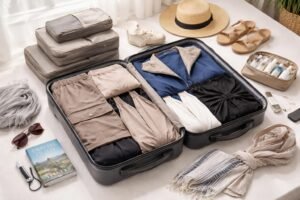
A capsule wardrobe is a small set of clothing items that work together. It usually includes neutral colors like black, white, navy, and gray. This makes it easy to swap pieces and create different outfits.
For Europe, include basics like a pair of dark jeans, a few plain t-shirts or blouses, a lightweight jacket, and comfortable shoes. Add one or two nicer items for dinners or theater visits. The goal is to carry fewer items but have many outfit options.
Seasonal Packing Strategies
Europe’s weather can vary a lot by season. In spring and fall, layering is key. Pack light sweaters, scarves, and a waterproof jacket. Summer calls for breathable fabrics like cotton and linen. Avoid bulky items as they take up space.
Winter in Europe means warm coats, hats, and gloves. But travelers can layer thermal undershirts with regular clothes to save room. Checking the weather for specific destinations helps decide what to bring.
Choosing Versatile and Lightweight Pieces
Choosing versatile clothing helps travelers wear the same items in different settings. Look for pieces that can be dressed up or down. For example, a simple black dress can work for sightseeing or a restaurant.
Lightweight fabrics like merino wool, rayon, and polyester dry quickly and pack into small spaces. Shoes should be sturdy but not heavy, like minimalist sneakers or loafers. Avoid bulky layers that limit mobility on trains or buses.
Dressing Like a Local: Practical Tips
Dressing smart in Europe means choosing clothes that fit the place and event. Travelers should balance style with comfort while respecting local customs and weather. Footwear must also support long days of walking without looking out of place.
Appropriate Attire for Urban and Rural Destinations
In cities like Paris, Milan, or Barcelona, people usually wear tailored pieces. Simple, well-fitted blazers, neutral-colored pants, and classic shirts work well. Avoid loud colors and overly casual clothes like gym wear.
For rural areas or small towns, comfort and practicality matter more. Light layers, breathable fabrics, and sturdy pants protect from weather and terrain. Earth tones and muted colors blend with the natural environment and local style.
Packing versatile items that can mix and match lets travelers adapt easily between urban and rural settings. For example, a plain white shirt or dark jeans fit both locations.
Adapting to Cultural and Social Settings
Europe has many traditions, so clothes should suit the occasion. In religious places, covering shoulders and knees shows respect. Casual cafes call for smart casual attire, like neat shirts and skirts.
Nightlife requires slightly dressier clothing. A simple dress or a button-down shirt with dark jeans is typical. Avoid flashiness to blend in properly.
Travelers should watch how locals dress on the street for clues. Layering also allows quick outfit changes for different places. Scarves, light jackets, or simple accessories add style without extra bulk.
Comfortable Yet Stylish Footwear
Walking is common in Europe, so shoes must be both comfortable and fashionable. Leather sneakers or loafers are good choices. They look neat but also handle long walks.
Avoid running shoes unless doing sports or hiking. Sandals are fine in summer but should be sturdy and not beach-style.
Break in new shoes before traveling to prevent blisters. Bring one pair that works for day-to-night use. That reduces packing space but keeps style goals.
| Type | When to Wear | Style Tips |
|---|---|---|
| Leather loafers | Urban, casual events | Simple colors, minimal logos |
| Sneakers | Walking, casual days | Clean, neutral tones |
| Sandals | Summer, warm weather | Avoid flip-flops, pick sturdy |
Packing Light Without Sacrificing Style
Travelers can stay stylish in Europe by choosing versatile clothes, smart accessories, and simple care routines. These steps help keep luggage light while fitting in with local fashion.
Maximizing Outfit Combinations
Choosing neutral colors like black, white, navy, and gray is key. These shades mix and match easily. Packing pieces like a plain t-shirt, a button-up shirt, and a lightweight jacket allows many outfit options.
Layers work well in Europe’s changing weather. For example, a light sweater over a t-shirt can create a new look. A pair of well-fitted jeans or tailored pants can be dressed up or down.
Footwear should be comfortable yet stylish. One pair of sneakers and one pair of casual shoes covers most situations. Avoid bulky clothes that take up space but do not add variety.
Selecting the Right Accessories
Accessories can change an outfit quickly without adding weight. A scarf or a hat adds style and can protect against sun or wind.
Choose a simple belt and a pair of classic sunglasses. They help complete looks while being easy to pack.
Small jewelry items like stud earrings or a watch work well. Avoid large or flashy pieces that don’t mix easily with different outfits.
A crossbody bag or a compact backpack keeps essentials handy and matches nearly every outfit.
Washing and Maintaining Clothes on the Go
Travelers benefit from washing some clothes while in Europe to avoid overpacking. A small bottle of detergent and a travel clothesline fit easily in a bag.
Hand washing in a sink or shower is often enough through short trips. Clothes dry faster when hung in a sunny spot or windy area.
For heavier fabrics like jeans, washing less often helps maintain their shape and color. Spot cleaning for stains saves time and effort.
Using a travel steamer or hanging clothes in a steamy bathroom helps remove wrinkles, avoiding the need for ironing.
Check out this post: https://worldlyfusion.com/convertible-travel-clothing-pack-essentials-tips/

Comments
Pingback: From Day to Night: 5 Outfits You Can Create with Just 10 Items for Effortless Style Transitions - Worldly Fusion